All Health Guides
31 evidence-based guides — written and reviewed by Dr. Tino Katsande
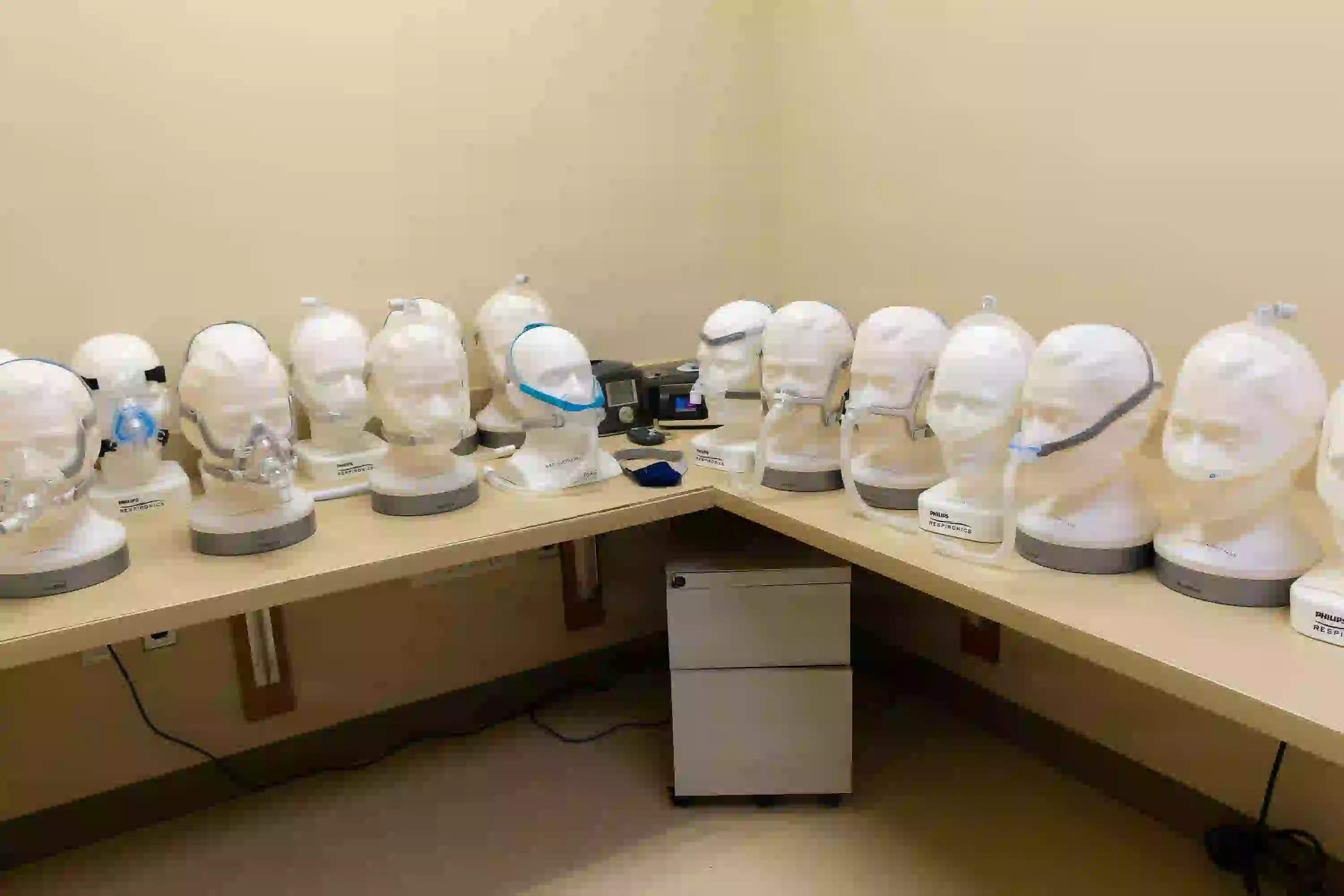
Sleep Apnoea - The Condition Hiding Behind Snoring, Fatigue, and High Blood Pressure
Obstructive sleep apnoea affects an estimated 1.5 million people in the UK, most undiagnosed. It causes fatigue, hypertension, and cardiovascular disease - and is completely treatable once identified.

Diabetes and Your Feet - The Complication That Takes Limbs and How to Prevent It
Diabetic foot disease is the leading cause of non-traumatic lower limb amputation in the UK. Most amputations are preventable with proper foot care and early intervention. Here is everything people with diabetes need to know.

Chronic Pain - Why It Is Different From Acute Pain and What Actually Helps
Chronic pain affects one in four UK adults. It is one of the most misunderstood and most undertreated conditions in medicine. Here is what pain science actually says - and why the most effective treatments are not what most people expect.

Mental Health Medication - What Antidepressants and Antipsychotics Actually Do
Most people prescribed mental health medication have significant misunderstandings about how it works. Here is the honest, plain-English guide - including what side effects nobody warns you about and when medication genuinely helps.

Heart Disease - Warning Signs, Risk Factors, and How to Cut Your Risk Substantially
Heart disease kills more people in the UK than any other condition. Black adults face significantly higher risk. Here is what actually causes it, the symptoms people ignore, and what genuinely reduces your risk.

Healthy Eating for the African Diaspora - What the Evidence Actually Says
Traditional African foods are not the problem. Portions, preparation, and what surrounds them are. Here is the evidence-based nutrition guide written specifically for African and Black communities in the UK.

Iron Deficiency Anaemia - Why It Is So Common in African Women and How to Fix It
Iron deficiency is the most common nutritional deficiency worldwide, and African women are disproportionately affected. Many spend years managing symptoms they think are normal. Here is the complete guide.
Menopause - What African Women Need to Know (And Why So Many Are Going Through It Alone)
Menopause is still a taboo subject in many African families. Black women are more likely to have earlier onset and more severe symptoms - and less likely to receive HRT. Here is the guide that fills the gap.

Back Pain - What the Evidence Actually Says (And Why Most People Are Being Treated Wrong)
Back pain affects most people at some point. Most common treatments are either ineffective or actively counterproductive. Here is what the evidence actually says and what you should ask for.

ADHD in Adults - The Diagnosis Most African Adults Never Got as Children
ADHD was dramatically underdiagnosed in African children, particularly girls. Many adults are now discovering in their 30s and 40s that their lifelong struggles have a neurological explanation.

Obesity - Beyond Willpower: The Biology, the Treatments, and What Actually Works
Obesity is not a character flaw or a failure of willpower. It is a complex chronic disease driven by biology, environment, and genetics. Here is what the evidence says - including the weight loss drugs that are changing everything.

Grief - What It Actually Does to Your Body and Mind
Grief is not just an emotion. It is a full-body physiological experience that affects your heart, immune system, sleep, and brain. Here is what the science of grief actually shows - and what helps.

Endometriosis - The Condition That Takes 8 Years to Diagnose, Longer if You Are Black
Endometriosis affects 1 in 10 women and takes an average of 8 years to diagnose. For Black women, that wait is even longer. This guide explains what it is, how to get diagnosed, and what treatment options exist.
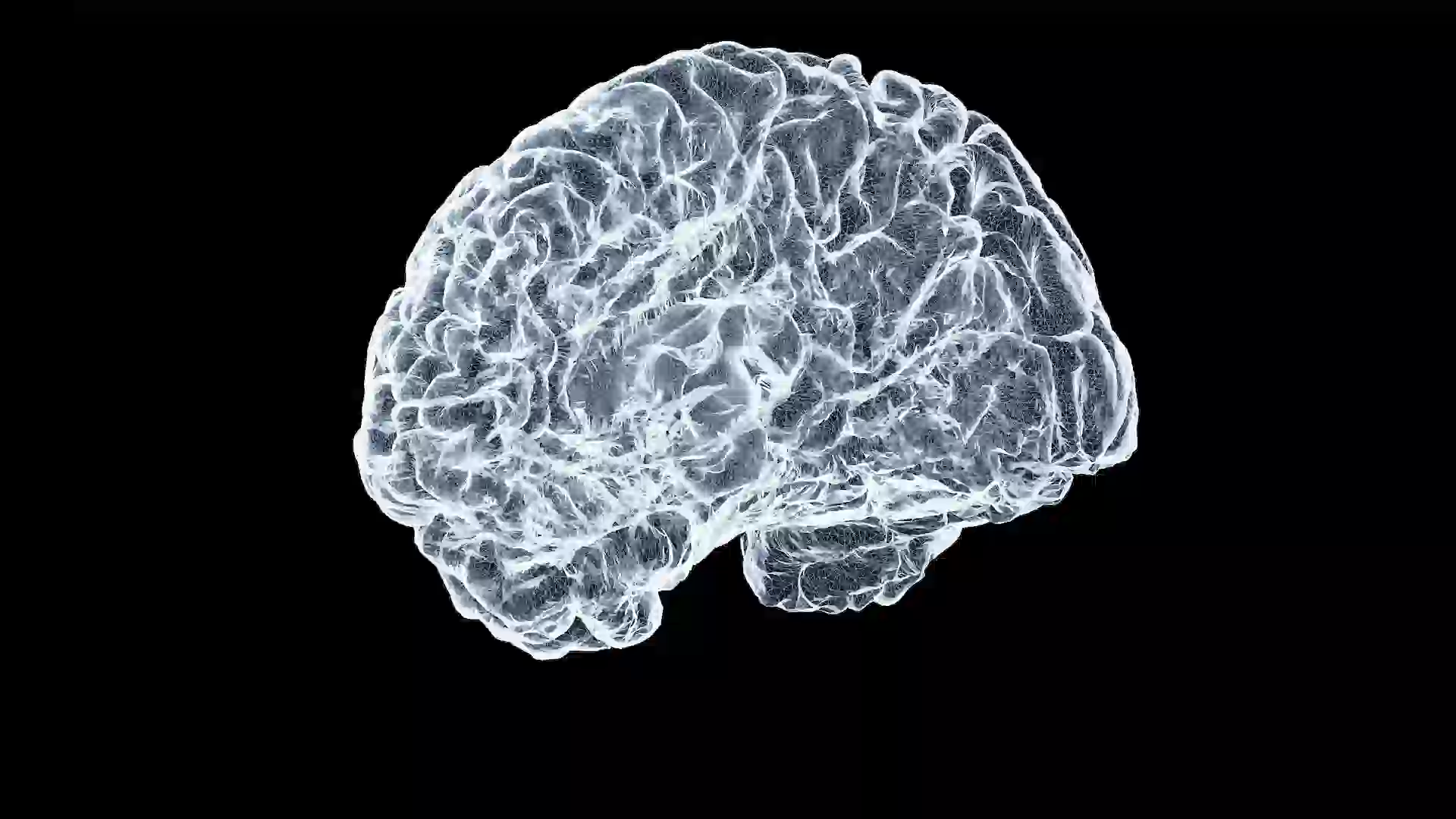
Stroke - Recognising It, Surviving It, and the Disparity Nobody Talks About
Black adults are twice as likely to have a stroke as white adults, and more likely to have one younger. Here is how to recognise a stroke, what happens in the critical first hours, and what life after stroke actually looks like.

Vitamin D Deficiency - Why Almost Every African in the UK Is Deficient and What to Do
The biology of melanin combined with UK sunlight means dark-skinned people living in Britain are almost universally vitamin D deficient. The consequences are wide-ranging. The fix is cheap and simple.
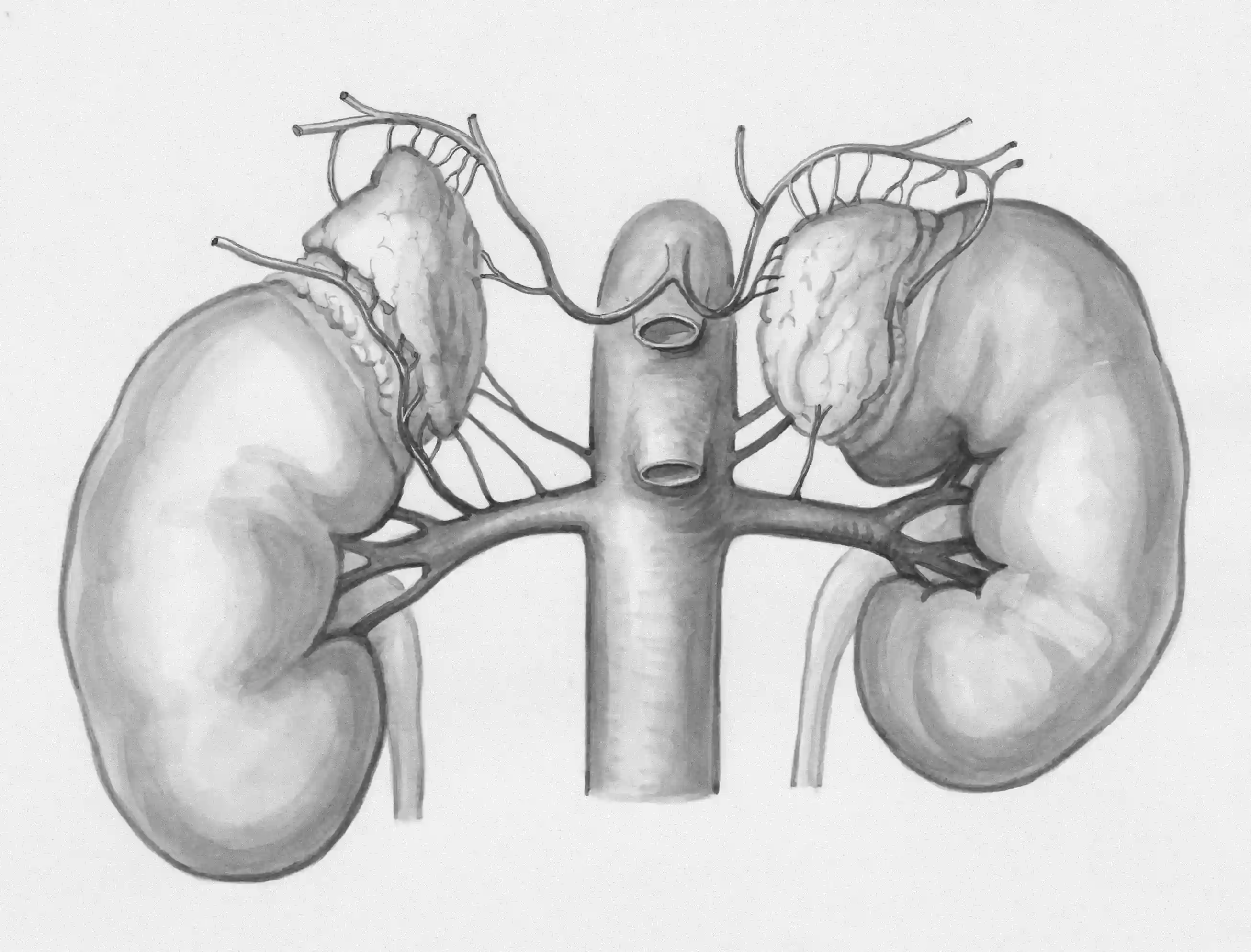
Kidney Disease - The Silent Condition Affecting Black Patients at Three Times the Rate
Chronic kidney disease affects Black adults at three times the rate of white adults, yet 90% of people with early CKD have no symptoms. Here is what you need to know - and the test your GP should be running.

Type 1 Diabetes - The Complete Guide for Patients and Families
Type 1 diabetes is not caused by diet or lifestyle. It is an autoimmune condition that can develop at any age. Here is what it is, how it is managed in 2025, and what NHS technology you are entitled to access.

Burnout - When Tiredness Becomes Something More Serious
Burnout is not laziness, weakness, or a need for a holiday. It is a state of chronic stress that has reached a point of physical and emotional depletion. Here is how to recognise it and what actually helps.

Insomnia and Sleep Problems - What Actually Works (And What Does Not)
One in three adults in the UK has significant sleep problems. Most people reach for sleeping pills that create dependency without fixing the underlying issue. Here is what the evidence actually says.

High Cholesterol - What It Actually Means and Why Most People Get It Wrong
High cholesterol is one of the most common diagnoses in primary care and one of the most misunderstood. Here is what the numbers actually mean, what causes them, and what the evidence says about treatment.

Fibroids - What African and Black Women Need to Know
Black and African women are 2-3 times more likely to develop fibroids, develop them younger, and have more severe symptoms. Yet many suffer for years before getting a diagnosis. Here is the complete guide.

Headaches - When to Worry and When Not To
Most headaches are not dangerous. But some are medical emergencies. Here is how to tell the difference - including the red flag symptoms that mean call 999 right now.
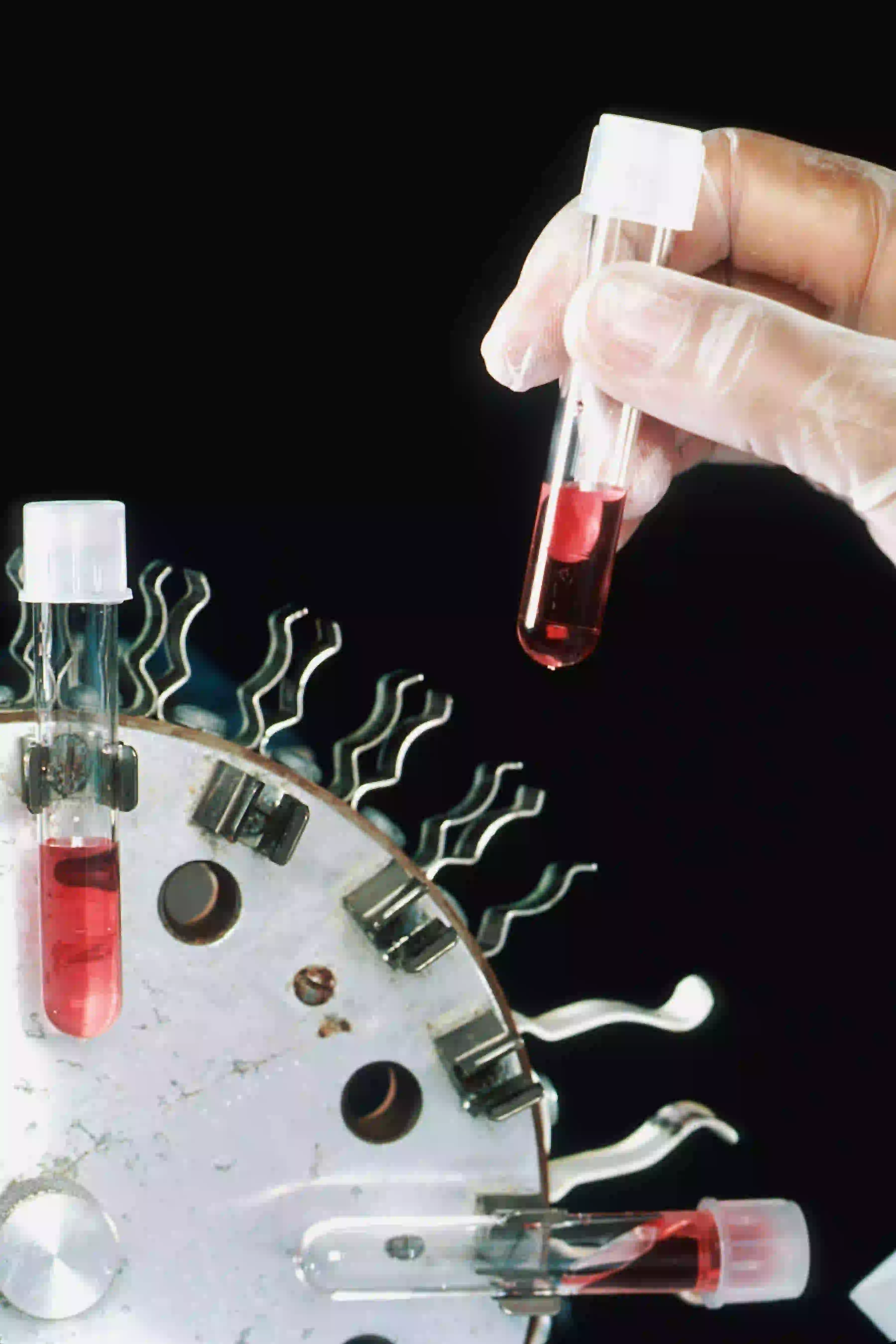
Understanding Your Blood Test Results - What Each Number Actually Means
You have had a blood test and received results full of numbers and abbreviations. Here is the plain-English guide to what each result means - and when to follow up with your doctor.

Mental Health During Pregnancy - The Guide Nobody Gives You at Your Booking Appointment
Up to 20% of women experience mental health problems during pregnancy. In Black and African women, these problems are significantly underrecognised and undertreated. Here is what you need to know.

Chest Pain - When to Call 999 and When It Is Something Else
Chest pain is one of the most common reasons people go to A&E and one of the most anxiety-provoking symptoms. Here is how to tell the difference between what needs emergency care and what does not.

PCOS Explained - Symptoms, Diagnosis, and What Actually Helps
Polycystic ovary syndrome affects 1 in 10 women and is one of the most common hormonal conditions in women of reproductive age. Here is what it actually means and what can be done about it.

Depression in African and Black Men - Breaking the Silence That Is Killing People
Black men are significantly less likely to seek help for depression and significantly more likely to present in crisis. This is a guide to what depression actually looks like in men - and why getting help is strength, not weakness.
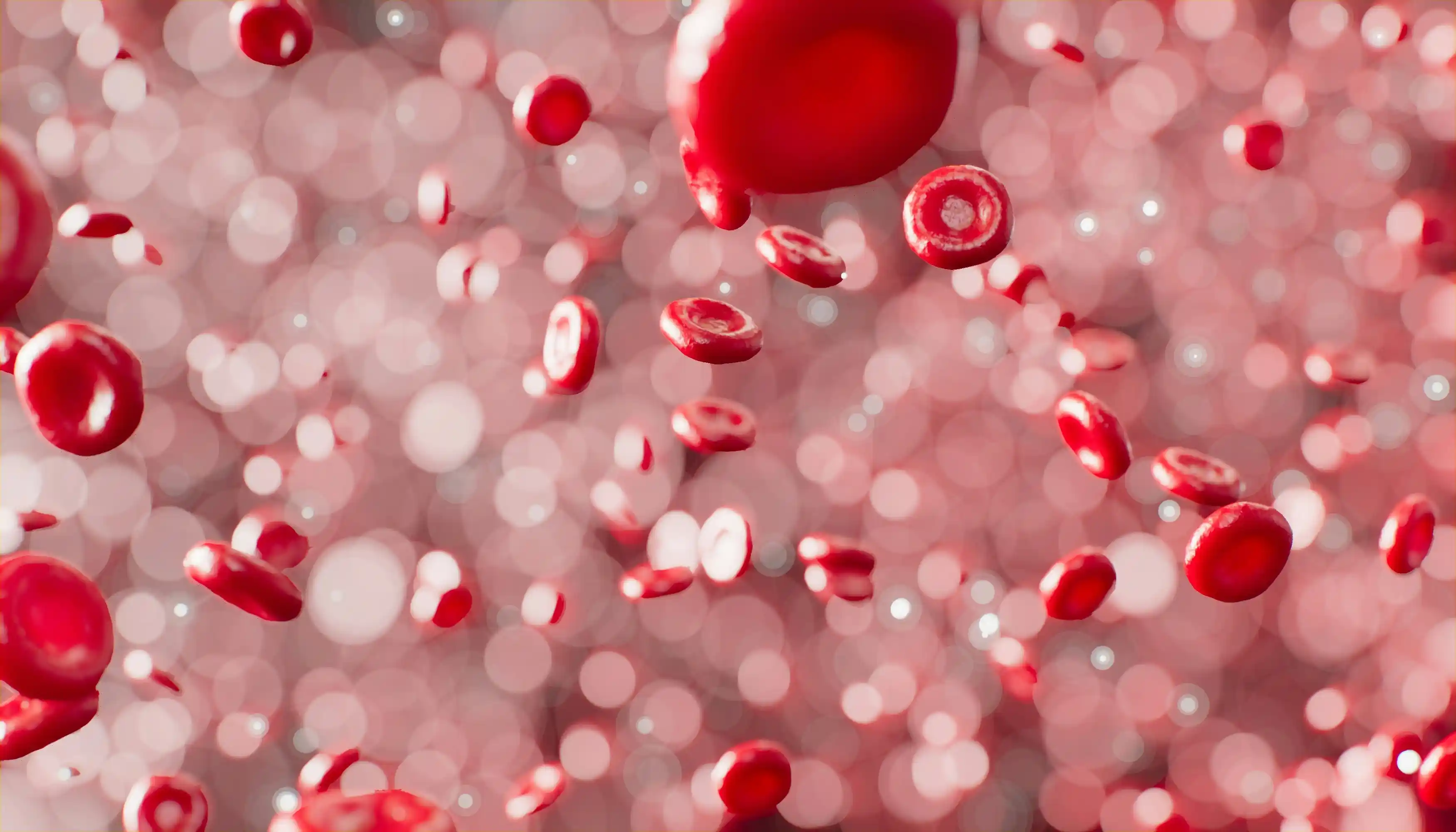
Sickle Cell Disease - What It Is, How It Is Managed, and Why It Matters to African Families
Sickle cell disease is the most common serious genetic condition in the UK, affecting predominantly people of African and Caribbean heritage. Here is the complete guide.

Anxiety - What It Actually Is, Why It Happens, and What Actually Helps
Anxiety is not weakness, overthinking, or something to just push through. It is a physiological response with specific causes and specific treatments. Here is the honest clinical picture.
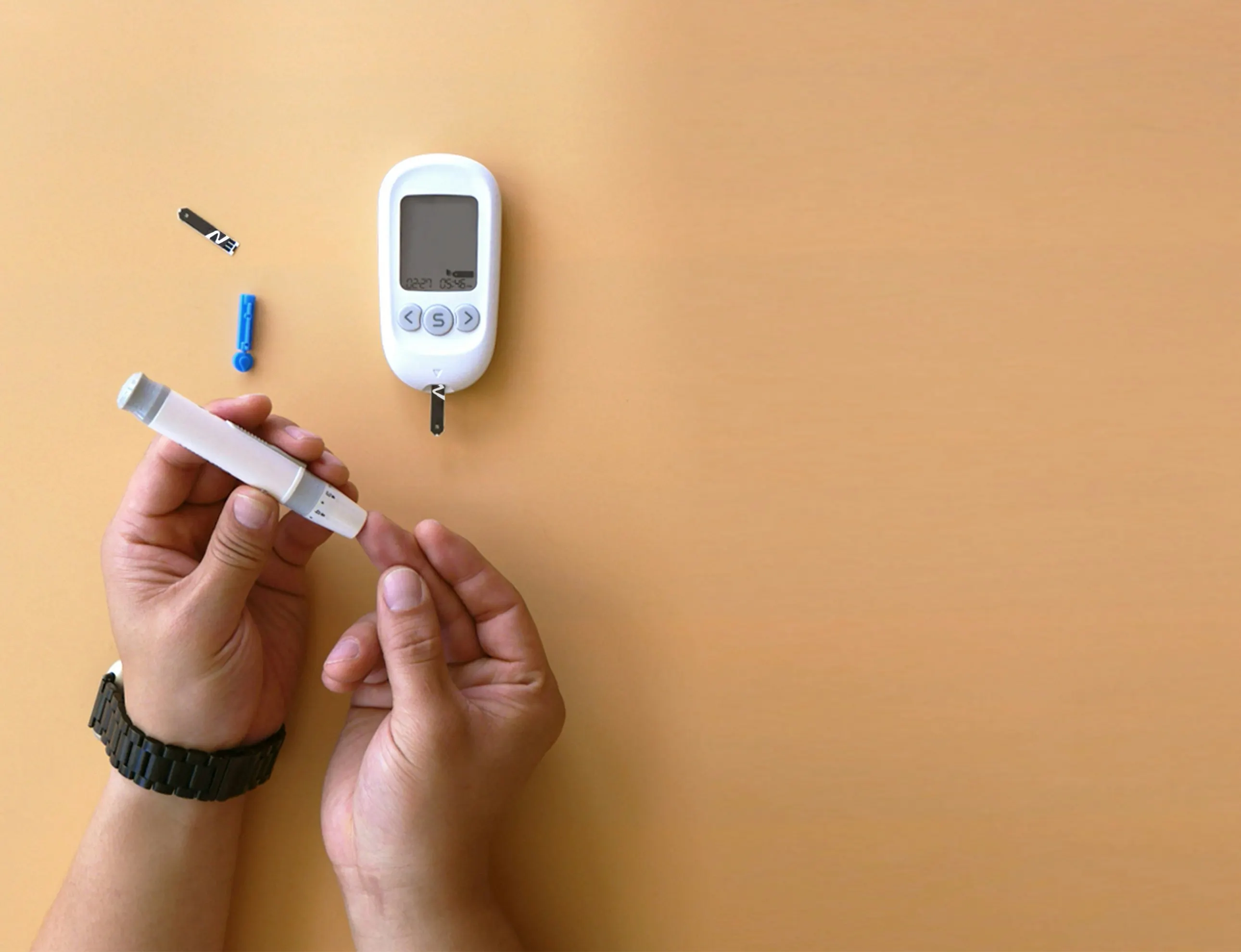
Type 2 Diabetes in African Communities - The Facts, the Risks, and What You Can Actually Control
People of African origin are 2-4 times more likely to develop type 2 diabetes than white Europeans. But the condition is far more manageable than most people think. Here is the honest guide.
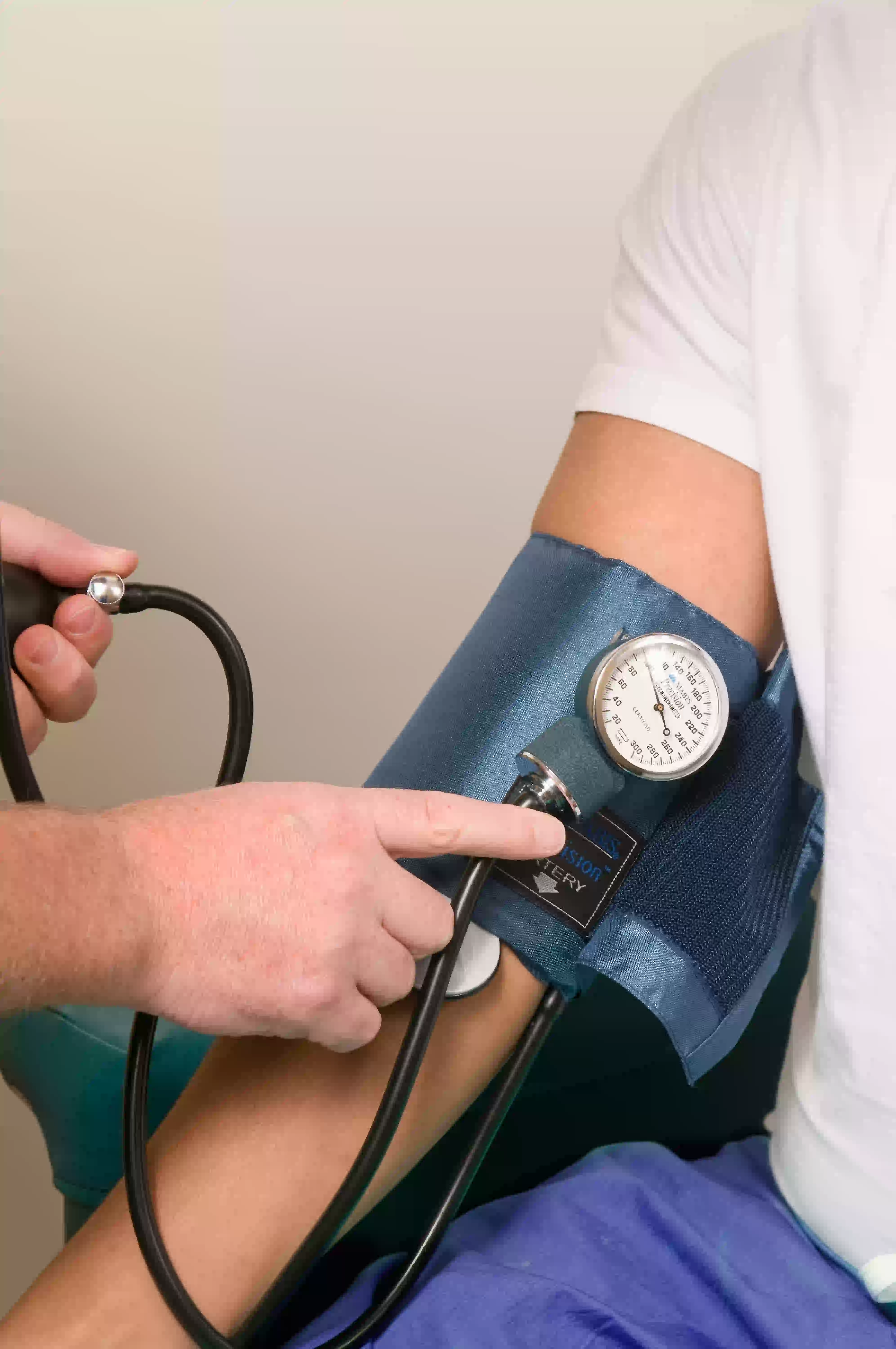
High Blood Pressure in African and Black Patients - Why It's Different and What to Do About It
Black and African patients develop hypertension earlier, more severely, and with different responses to medication than other groups. Here is what the evidence says - and what your doctor may not have had time to explain.