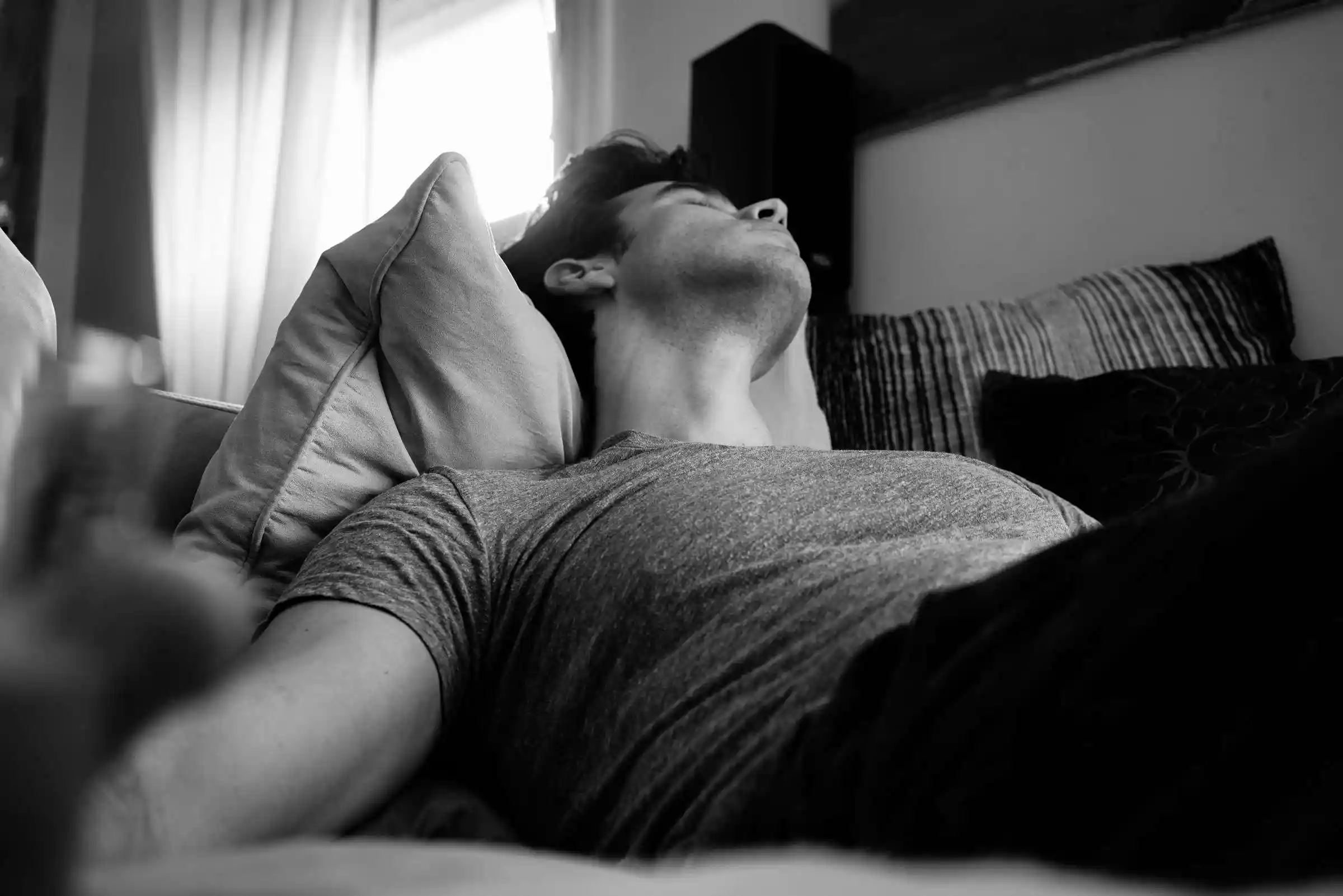
Sleep is one of those things most of us only notice when it goes wrong - and when it does, the effect on every other area of life is immediate and cumulative. Concentration deteriorates. Mood destabilises. Pain perception increases. Immune function falls. Decision-making degrades. Emotional regulation - the ability to respond to frustration and stress proportionately - collapses.
In clinical practice, insomnia is frequently handled with a prescription for zopiclone (a sleeping pill), reassurance, and a follow-up appointment in two weeks. This approach temporarily treats the symptom while potentially creating a new problem, and it bypasses the only intervention with lasting effectiveness.
The evidence on what actually works for chronic insomnia has been clear for over two decades. It is not what most people expect, and it is not what most people receive.
Why we sleep badly - understanding the main types
Psychophysiological insomnia (the most common type): Often begins with a stressful period - a bereavement, a job loss, a health anxiety. Sleep deteriorates. The person begins to worry about sleep. The worry causes hyperarousal that prevents sleep. The bed becomes associated with wakefulness and anxiety rather than with sleep. A vicious cycle is established that persists long after the original stressor has resolved.
This is the mechanism that makes chronic insomnia so persistent. The original cause may have disappeared entirely, but the learned association between bed and wakefulness has been reinforced over months or years.
Mental health related insomnia: Anxiety characteristically causes difficulty falling asleep (an overactive, worrying mind). Depression characteristically causes early morning waking (3-4am, unable to return to sleep, often with rumination). Treating the underlying mental health condition usually improves sleep, though sleep problems can also persist after other symptoms resolve.
Sleep apnoea: See our dedicated sleep apnoea guide. Key symptoms: loud snoring, witnessed pauses in breathing, unrefreshed despite adequate hours in bed, excessive daytime sleepiness. Requires investigation with a sleep study.
Restless legs syndrome (RLS): An urge to move the legs, particularly at rest and in the evening, associated with uncomfortable sensations. Significantly disrupts sleep onset. Worsened by iron deficiency, pregnancy, and certain medications. Check ferritin level.
Circadian rhythm disorders: The internal clock is shifted - either earlier (advanced sleep phase, common in older adults) or later (delayed sleep phase, common in teenagers and young adults). Night shift workers experience forced circadian misalignment that cannot be completely resolved.
Medication effects: Many medications disrupt sleep including beta-blockers, certain antidepressants (particularly SSRIs taken at night), steroids, decongestants, and some blood pressure medications. Review your medications with your GP.
Case study: Josephine's three-year insomnia
Josephine, 47, a community nurse from Zimbabwe based in Bristol, came to see me after three years of poor sleep. She was on her second course of zopiclone. The pattern: lying awake for 1-2 hours after going to bed, then waking at 3am and rarely returning to sleep. She was functioning but exhausted.
Her sleep had deteriorated when her mother died in 2021. The grief had substantially resolved. The sleep had not.
She was going to bed at 10pm because she felt tired, lying there awake increasingly anxious, getting up to check the time, doing mental arithmetic about how many hours of sleep remained if she fell asleep now. Her bedroom had become a place she associated with failure.
This is classic psychophysiological insomnia. The trigger was grief; the perpetuating mechanism was learned wakefulness and hyperarousal.
I referred her for CBT for insomnia (CBT-I). Eight sessions over 10 weeks.
The first instruction: go to bed at midnight, not 10pm. Get up at 7am regardless. No napping. She was horrified. I explained why.
Twelve weeks after starting CBT-I, she reported falling asleep within 20 minutes of going to bed consistently. She had moved her bedtime back to 11pm and was sleeping until 6.30am.
"They told me to sleep less at first," she said. "I thought it was ridiculous. It worked."
CBT-I - the treatment that actually fixes insomnia
CBT for insomnia (CBT-I) is the first-line recommended treatment for chronic insomnia according to NICE, the American Academy of Sleep Medicine, and virtually every major sleep medicine body worldwide. It outperforms sleeping pills in head-to-head trials. Its effects are durable - they persist after treatment ends. Sleeping pills' effects end when the pills stop.
The main components:
Sleep restriction therapy: The most powerful and most counterintuitive component. A prescribed sleep window - initially shorter than the patient would choose - creates sleep pressure (homeostatic drive to sleep) that consolidates fragmented, shallow sleep into deeper, more continuous sleep. As sleep efficiency improves, the sleep window is gradually extended. It causes temporary tiredness but produces lasting improvement.
Stimulus control: Retraining the brain to associate the bed with sleep rather than with wakefulness. Only use the bed for sleep and sex. If awake for more than 20 minutes, get up and do something quiet in dim light until sleepy. Maintain a consistent wake time regardless of how little sleep was obtained.
Cognitive restructuring: Identifying and challenging catastrophic thoughts about sleep - "I need 8 hours or I cannot function", "I will never sleep properly again", "lying awake is killing me" - and replacing them with more accurate, less catastrophising beliefs about sleep.
Sleep hygiene: Often overemphasised relative to the above components. Avoiding caffeine after 2pm, keeping the bedroom cool and dark, avoiding screens before bed - these are worth implementing but are insufficient alone for chronic insomnia.
How to access CBT-I: NHS Talking Therapies (some therapists are trained in CBT-I); Sleepio (digital CBT-I programme, NHS-funded in some areas - check sleepio.com); private therapists trained in CBT-I.
The sleeping pill problem
Z-drugs (zopiclone, zolpidem): Effective at helping people fall asleep but tolerance develops within weeks of nightly use, meaning the effect diminishes and the dose needs increasing. Dependency is common. Stopping causes rebound insomnia worse than the original problem. Recommended for a maximum of 2-4 weeks and only while waiting for CBT-I to take effect.
Melatonin: Has a role in resetting circadian rhythm (jet lag, delayed sleep phase) but limited evidence for chronic insomnia. Available on prescription in the UK. Better evidence in older adults.
Alcohol: The most commonly used sleep aid in the general population and one of the most damaging. Alcohol reduces sleep onset latency (helps people fall asleep faster) but dramatically disrupts sleep architecture in the second half of the night - suppressing REM sleep, increasing sleep fragmentation, and causing early morning waking. Regular alcohol use to aid sleep reliably produces worse sleep quality and is the most common cause of alcohol dependency in older adults.
Sources: NICE Clinical Guideline NG 2021 - Chronic Primary Insomnia; Trauer JM et al, Annals of Internal Medicine 2015 (CBT-I meta-analysis); Riemann D et al, Journal of Sleep Research 2017 (European Insomnia Guidelines); van Straten A et al, Sleep Medicine Reviews 2018 (digital CBT-I); Qaseem A et al, Annals of Internal Medicine 2016 (ACP insomnia guidelines).