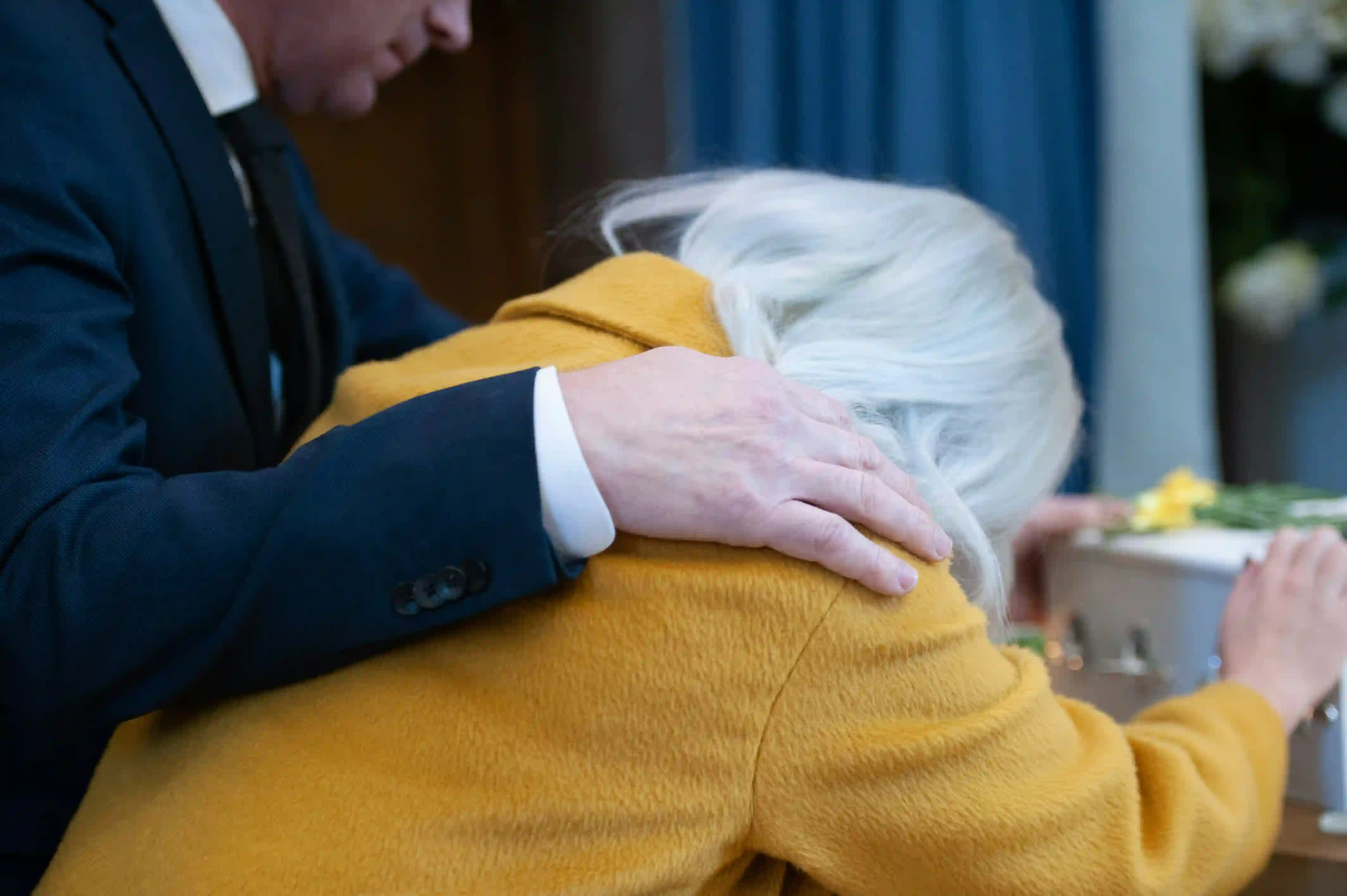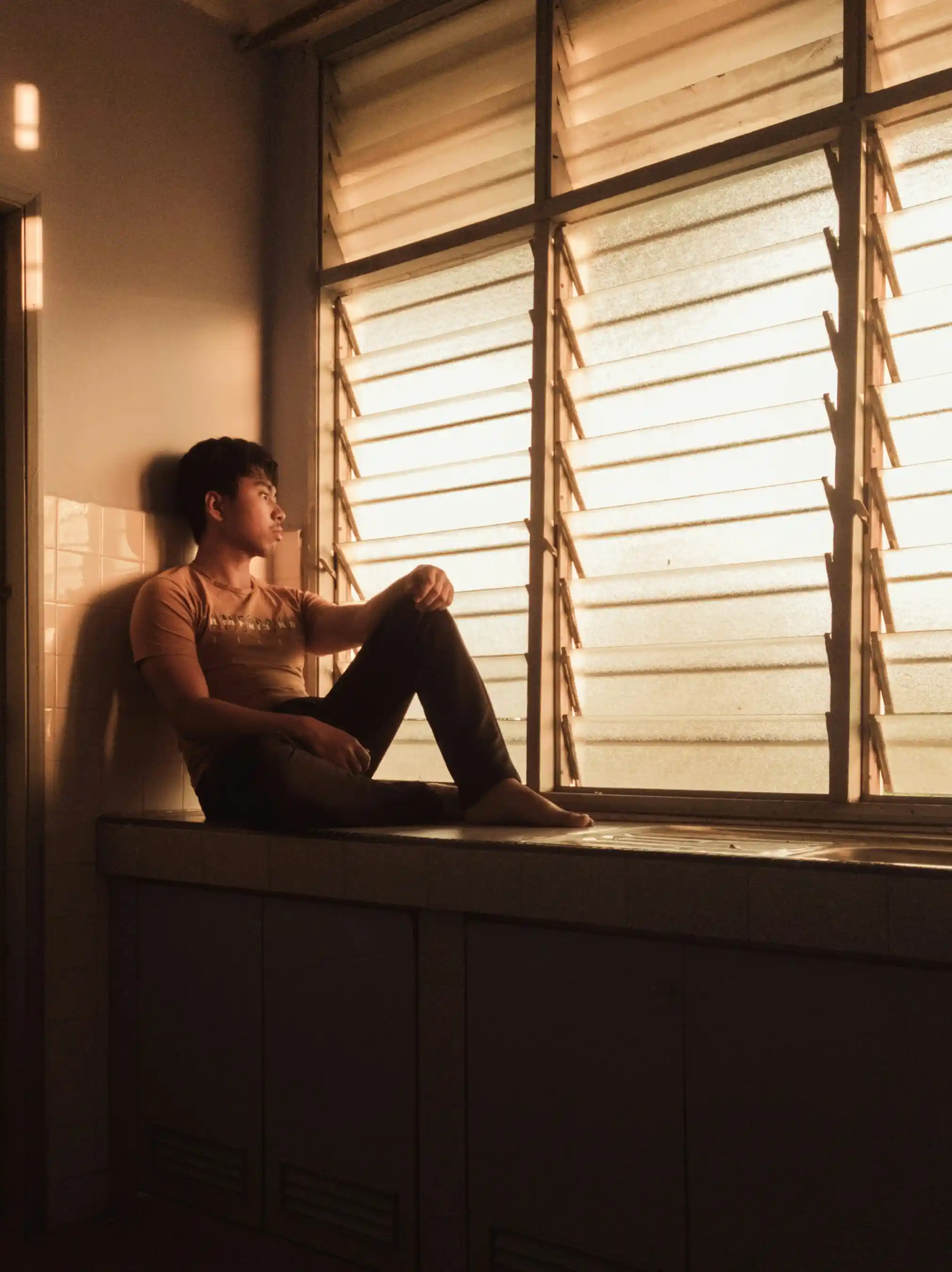
Suicide is the leading cause of death for men aged 20-49 in England and Wales. Not cancer. Not road traffic accidents. Suicide.
I put that sentence first because it is the sentence people need to sit with before they decide that depression is not a real problem, or that strong men do not talk about their feelings, or that prayer is sufficient where medicine is also needed. The men dying from this are not weak men. They are men who had no framework for understanding what was happening to them, no vocabulary for asking for help, and no cultural permission to seek it.
In African communities, the situation is quietly catastrophic. Black men access mental health services at lower rates than any other demographic group in the UK. When they do reach services, they are more likely to arrive in crisis - through A&E, through a mental health section under the Mental Health Act, through a crisis team - rather than through the GP appointment that catches things early. The system sees them late, often when the window for simpler intervention has long passed.
This guide is about changing that - starting with what depression in men actually looks like, because it does not always look like what most people picture.
What depression actually looks like in men
The dominant cultural image of depression - someone in bed, crying, unable to move - captures one presentation. It misses many others, particularly in men who have been socialised throughout their lives to conceal vulnerability and push through difficulty.
Depression in men frequently presents as:
Anger and irritability: Low frustration tolerance, explosive temper over small things, road rage that has appeared from nowhere. This is often the most visible symptom in men and is often misattributed to stress or character.
Increased risk-taking: Reckless driving, excessive gambling, starting fights, using substances. Behaviour that an outsider might see as aggression or poor judgment may be a man trying to feel something, or to feel less.
Complete withdrawal: Not attending family events, stopping contact with friends, going through the motions at home without real presence. Explained as needing space, being busy, being tired.
Throwing oneself into work: 70-hour weeks, obsessive productivity, using overwork to avoid being alone with one's thoughts. Can look like success from the outside.
Physical complaints: Persistent back pain, headaches, fatigue, gut problems, for which no physical cause is identified. The body expressing what the mind cannot.
Alcohol and substances: Using alcohol to manage mood, to sleep, to feel sociable. A drink becoming a bottle. A casual habit becoming a dependency.
Disconnection from family: Not being present with children. Irritability with a partner. Feeling like a stranger in one's own home.
The man who is short-tempered, drinking too much, not sleeping, disconnected from his children, and unable to remember the last time he felt genuine pleasure in anything - he may not be going through a difficult patch. He may be clinically depressed.
Why African men specifically underuse mental health services
The barriers are multiple, reinforcing, and deeply rooted.
Stigma: In many African cultural contexts, mental health problems carry significant social stigma. They may be attributed to spiritual weakness, curses, or punishment. Seeking professional help for mental distress may feel like an admission of failure - personal, familial, spiritual.
Masculinity norms: The expectation that men provide, protect, withstand difficulty, and do not show vulnerability is particularly pronounced in many African cultures. "African men don't go to therapy." "Real men carry their burdens." These are not just cultural observations - they are messages many African men received explicitly from childhood.
Distrust of services: Black men in mental health crises are significantly more likely to be detained under the Mental Health Act and significantly less likely to receive talking therapy compared to white patients. This is documented. It represents a legitimate reason for mistrust, and it creates a catch-22: the people who most need services are the people with the strongest rational basis for avoiding them.
Lack of cultural representation: The near-total absence of Black male therapists and psychiatrists in most NHS settings creates a therapeutic relationship that many Black men find difficult. Being asked to discuss profound vulnerability with someone who has no experience of the specific pressures of being a Black man in the UK is a genuine barrier.
Economic pressure: Many African men in the UK carry significant financial responsibilities - remittances to family in Africa, children in education, parents to support. Taking time off work for therapy, or spending money on private mental health care, can feel incompatible with these obligations.
What depression is - the biology
Depression is not a response to circumstances that should be overcome with willpower. It is not feeling sad because sad things have happened. It is a medical condition involving measurable changes in brain function, neurotransmitter systems, inflammatory pathways, and stress hormone regulation.
The most robust biological findings in depression include: elevated cortisol and inflammatory markers (particularly CRP and interleukin-6); reduced volume in the hippocampus (the brain region involved in memory and mood regulation, with volumes that can be restored with successful treatment); altered activity in the prefrontal cortex (involved in emotional regulation) and amygdala (involved in threat detection and emotional response); and disruption to neurotransmitter signalling across multiple systems including serotonin, noradrenaline, and dopamine.
These are not metaphors. They are findings visible on brain imaging and measurable in blood tests. Depression is not the person failing. It is the brain malfunctioning in documented, treatable ways.
Case study: James's two-year wait
James, 41, came to see me because his wife had threatened to leave if he did not see someone. He had not recognised himself as depressed. He described himself as stressed and tired.
A careful history took 40 minutes. He had not slept through the night in over a year. He was drinking half a bottle of whisky most evenings - had moved from one or two drinks to that without noticing when it happened. He had not spent voluntary time with friends in 18 months - had turned down every invitation, always with a reason. He had been arriving late to work because he could not get himself out of bed. He had been losing his temper at his children over trivial things and feeling crushing guilt about it afterwards. He described his emotional life as flat - nothing gave him pleasure, nothing felt interesting.
"I just thought I needed to push through," he told me. "I thought this was what getting older felt like."
His PHQ-9 score was 19 - severe depression. He had been significantly depressed, undiagnosed, for approximately two years.
He started sertraline 50mg, increased to 100mg at 4 weeks. He was referred for CBT. He was honest with his wife about what he was experiencing. He stopped drinking.
Eight months later he described himself as recognisably himself again. He had started running. He had reconnected with a group of friends from university he had not spoken to in years.
"The thing I find hardest to accept," he told me, "is that I had all of this available to me the whole time. I just never asked."
What actually helps - the evidence
Talking therapy: CBT and interpersonal therapy (IPT) have the strongest evidence base for depression. The challenge for Black men is accessing a therapist with genuine cultural competency - one who understands the specific context of being a Black man in the UK, who will not pathologise cultural responses, and with whom an honest therapeutic relationship is possible. The Black, African and Asian Therapy Network (baatn.org.uk) maintains a directory of therapists from African and Caribbean backgrounds.
Antidepressants: SSRIs (sertraline, escitalopram, fluoxetine) are effective for moderate-to-severe depression. They are not addictive. They do not change personality. They are not a permanent solution - they are tools to restore enough neurological stability to engage meaningfully with therapy and life rebuilding. See our dedicated guide to mental health medication.
Exercise: The evidence is more robust than most people realise. 30 minutes of moderate aerobic exercise three times per week produces antidepressant effects comparable to medication in mild-to-moderate depression. The mechanisms include increased BDNF (brain-derived neurotrophic factor, which promotes neuronal growth and connectivity), reduction in inflammatory markers, and neurochemical effects. Exercise is not a replacement for treatment of severe depression but it is a meaningful and often underused part of management.
Social connection: Social isolation worsens depression and social connection improves it. This is neurobiology, not sentiment. The male tendency to withdraw when struggling is precisely the opposite of what helps. Reconnecting with one person - one trusted friend, one family member - and being honest about struggling, even partially, is more therapeutically valuable than most people realise.
Sources: NICE Clinical Guideline CG90 - Depression in Adults (2009, updated 2022); ONS - Suicides in England and Wales 2022; NHS Race and Health Observatory - Ethnic Inequalities in Mental Health 2023; Mind UK - Men and Mental Health; BAATN - Black, African and Asian Therapy Network; Stathopoulou G et al, Exercise and Sport Sciences Reviews 2006 (exercise and depression).