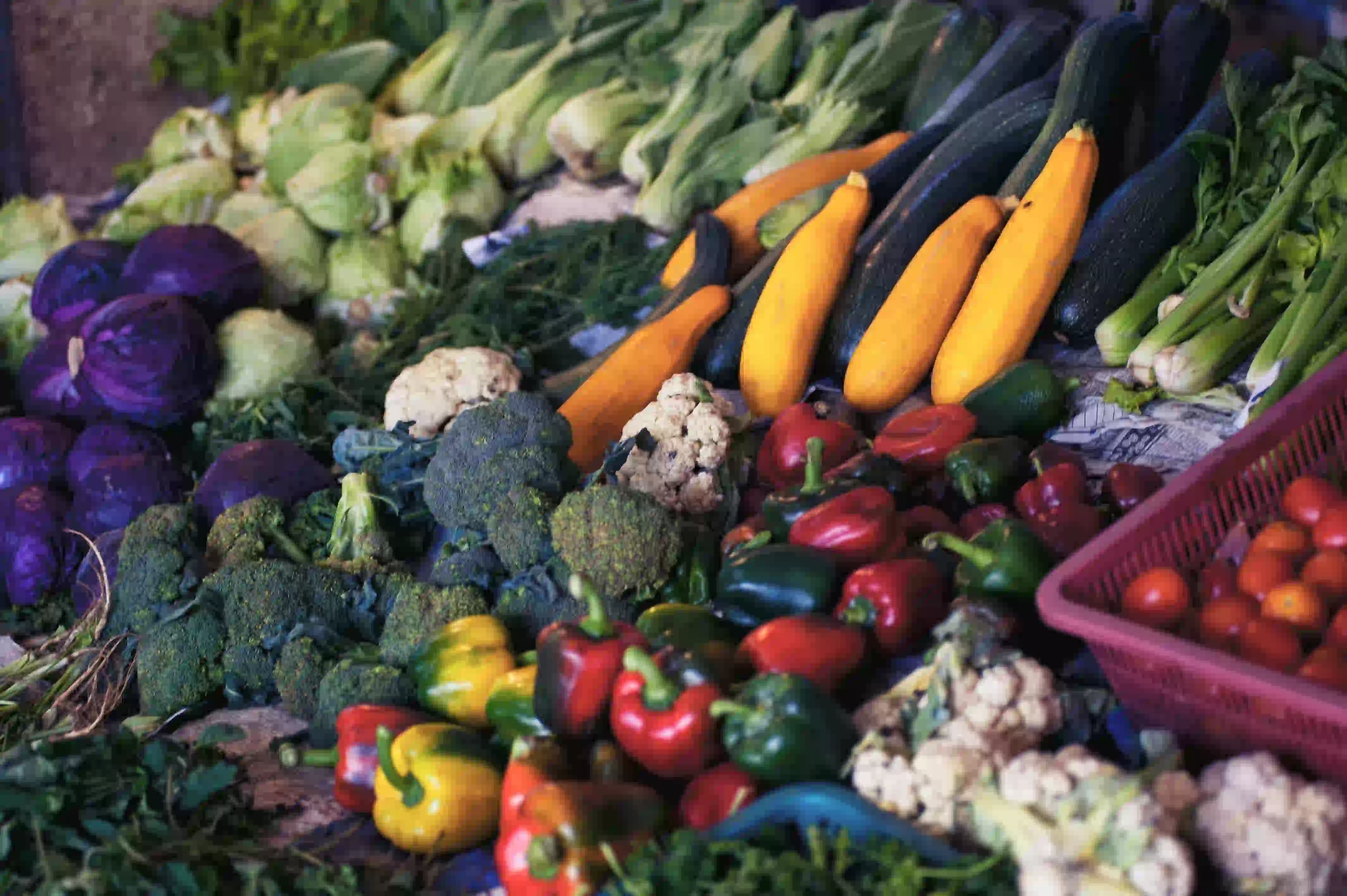
Traditional African diets, in their original forms, are extraordinarily healthy. Plantain, yam, sweet potato, beans, lentils, leafy greens, okra, fish, lean meats cooked in tomato-based stews with fresh herbs and spices - this is genuinely good food with a strong nutritional profile, high in fibre, rich in micronutrients, and consistent with what evidence-based nutrition science recommends.
The problem is not the food itself. The problem is what happens to that food in the diaspora context, and the broader UK food environment into which African diaspora families arrive: larger portions, more refined carbohydrates, more processed additions, significantly reduced physical activity, and the chronic time pressure of life in the UK that makes fast, convenient food look like the only option.
This guide is not about replacing African food with something else. It is about understanding which specific aspects of the diaspora food environment increase disease risk, and what changes - often smaller than people expect - make the biggest difference.
The three biggest dietary drivers of disease in African diaspora communities
1. Carbohydrate portion sizes:
The single most impactful dietary change for many African diaspora families is not what carbohydrates they eat but how much. Traditional proportions - substantial portions of fufu, pounded yam, eba, rice, or plantain forming the majority of the plate - were appropriate in contexts of significant manual labour and high physical activity in warm climates. In a sedentary UK office environment, the same portion sizes create a very different metabolic impact.
The glycaemic load (the total glucose impact of a meal) of a large portion of white rice is substantial. Reducing the rice portion by half and filling the space with vegetables and protein achieves the same satiety with dramatically lower blood glucose impact.
This does not require giving up rice. It requires a different proportion on the plate.
2. Refined carbohydrates in the UK food environment:
Traditional African staples - yam, plantain, sweet potato, whole grain cassava products, legumes - have better fibre content and lower glycaemic index than the refined equivalents common in UK supermarkets: white rice, white bread, white pasta. The transition to UK convenience foods tends to move diets toward faster-releasing carbohydrates with less fibre.
3. Sugar in drinks:
Sugary drinks - including fruit juices - are metabolically different from sugar in whole food. A glass of pure orange juice has essentially the same sugar load and glycaemic impact as a glass of sugary soft drink. The fibre present in whole fruit substantially slows glucose absorption; juice removes that fibre. High-sugar drinks bypass satiety mechanisms and deliver glucose rapidly. Replacing sugary drinks with water is one of the highest-impact single dietary changes, particularly for people with or at risk of diabetes.
The foods with the strongest evidence for health in this context
Legumes: Black-eyed peas, red kidney beans, lentils, chickpeas, and other legumes are among the most nutritionally powerful foods available. High in protein, high in fibre, low glycaemic index, they significantly blunt blood glucose spikes after meals. Regular legume consumption is associated with lower rates of type 2 diabetes, lower LDL cholesterol, and lower cardiovascular risk. They are cheap, shelf-stable, and central to many African food traditions. Cook from dried where possible - dried beans have no added salt.
Oily fish: Mackerel, sardines, salmon, herring, and pilchards are among the highest quality protein sources available, rich in omega-3 fatty acids with strong cardiovascular protective effects. Tinned sardines and mackerel are nutritionally excellent, inexpensive, and require no preparation beyond opening a tin. Target 2 portions per week minimum.
Green leafy vegetables: Ugwu (fluted pumpkin leaf), bitter leaf, moringa, spinach, kale, spring greens - all exceptionally nutritious. High in folate, magnesium, vitamin K, calcium, and multiple antioxidants. Adding a handful of leafy greens to existing stews and soups is one of the simplest improvements possible.
Whole grains: Brown rice over white rice. Oats over cornflakes. Wholegrain bread over white bread. The difference in fibre content substantially changes the glycaemic impact and improves satiety. Brown rice takes slightly longer to cook - nothing more complicated than that.
Nuts and seeds: A daily handful of mixed nuts (30g) is associated with significantly lower cardiovascular risk in large population studies. They are calorie-dense but their combination of healthy fats, protein, and fibre makes them one of the most effective foods for hunger management. Groundnut (peanut) is nutritionally in this category - raw or minimally processed, not sweetened or heavily salted.
The plate method - simple and evidence-based
For people managing blood sugar, weight, or cardiovascular risk, the plate method is the most practical single framework:
Half the plate: non-starchy vegetables - tomatoes, peppers, leafy greens, okra, courgette, aubergine, cabbage, cucumber, salad.
A quarter of the plate: protein - fish, chicken (skin removed), eggs, beans, lean meat.
A quarter of the plate: starchy carbohydrate - rice, yam, plantain, fufu, pasta, bread.
This does not require abandoning African food culture. It requires adjusting proportions. The same stew that previously sat on a large mound of rice now sits on a smaller portion with more vegetables alongside it.
Case study: Adaeze's diabetes reversal through specific dietary change
Adaeze, 47, was diagnosed with type 2 diabetes with an HbA1c of 54 mmol/mol. Rather than immediately starting medication, we agreed a three-month intensive lifestyle trial.
I did not give her generic healthy eating advice. I asked specifically about her typical daily food intake and made targeted changes within her existing food culture:
Rice portions reduced by half; the space filled with ugwu soup and tomato stew. Sugary drinks (she was drinking one bottle of Fanta per day) replaced with water. She added a portion of beans to three meals per week. She stopped taking her morning tea with two sugars. She started a 30-minute walk after dinner each evening (the most effective single timing for reducing postprandial blood glucose).
Six months later: HbA1c 44 - normal range. No medication required.
"I did not change what I eat," she told me. "I changed how much of each part I eat, and I stopped the sugar drinks."
Practical tips for the UK food environment
Read labels - specifically sugar and salt: UK processed foods often have high levels of both. For sugar: above 5g per 100g is high. For salt: above 1.5g per 100g is high.
Cook from scratch as much as possible: Home-cooked African food is almost always nutritionally superior to UK convenience food, even when it uses the same ingredients. You control what goes in.
Eat protein with every meal: Protein at breakfast and lunch significantly reduces hunger and blood glucose fluctuations throughout the day. Eggs at breakfast are an excellent, inexpensive protein source.
Be specific about oil: Palm oil in small quantities is nutritionally defensible. Large quantities add significant calorie density. For frying and sauteing, olive oil or rapeseed oil are preferable choices in everyday cooking.
Sources: Willett W et al, The Lancet 2019 (EAT-Lancet Commission on healthy diets); Dehghan M et al, The Lancet 2017 (PURE study - diet and cardiovascular outcomes); Dahl WJ and Stewart ML, Journal of Nutrition 2015 (legumes and health outcomes); Lean MEJ et al, The Lancet 2018 (DiRECT dietary remission trial); NHS Eatwell Guide 2024; Diabetes UK - Eating Well with Type 2 Diabetes.