Sickle cell disease is the most common serious genetic condition in the UK, and it affects almost exclusively people of African and Caribbean heritage. Approximately 15,000 people in the UK live with sickle cell disease. Around 300 babies are born with it each year - more than with any other serious genetic condition. Yet outside affected communities, awareness remains remarkably low.
Sickle cell research has historically been chronically underfunded relative to its prevalence and impact. Patients in painful crisis are sometimes undertreated in emergency departments by staff unfamiliar with the condition. And families navigating the disease often do so with inadequate support and incomplete information.
This guide is an attempt to change that.
How sickle cell disease works - the biology
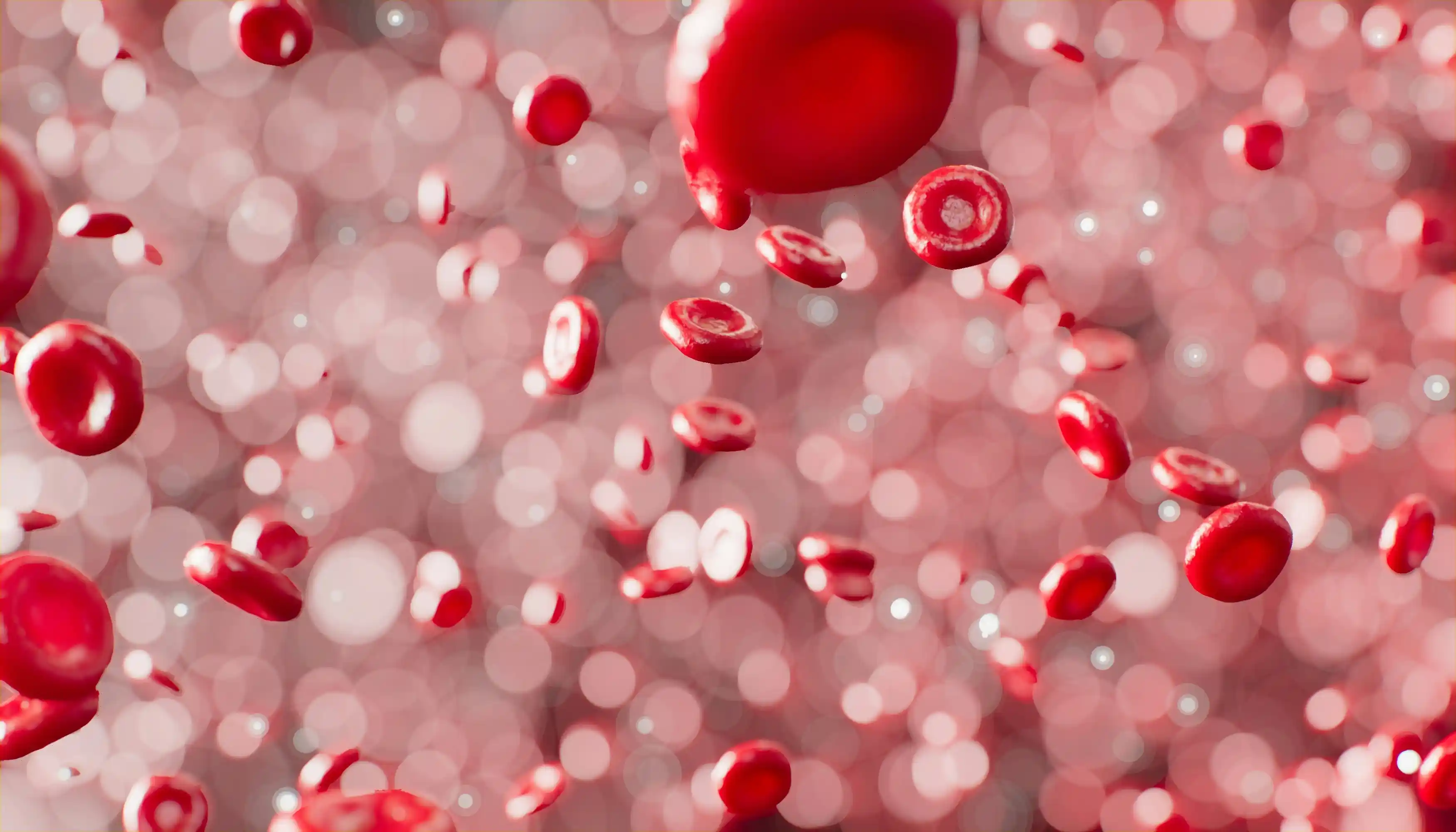
Normal red blood cells are disc-shaped, flexible, and live approximately 120 days. They squeeze through tiny capillaries and carry oxygen efficiently to every tissue in the body.
In sickle cell disease, a point mutation in the gene encoding haemoglobin causes the production of haemoglobin S (HbS) instead of normal haemoglobin A. When haemoglobin S releases oxygen, it polymerises - it crystallises into long, rigid rods that distort the red blood cell into a sickle or crescent shape.
These sickle cells cause problems through two main mechanisms.
Haemolytic anaemia: Sickle cells are fragile. They break apart after only 10-20 days, compared to 120 days for normal red blood cells. The bone marrow cannot produce new red blood cells fast enough to compensate. The result is chronic anaemia - persistent low haemoglobin - causing fatigue, pallor, and reduced exercise tolerance.
Vascular occlusion: The rigid, abnormally-shaped sickle cells stick together and to the walls of blood vessels, blocking blood flow. This reduces oxygen delivery to tissues and organs downstream from the blockage. The resulting ischaemia (oxygen deprivation) causes the severe pain of vascular occlusive crises, and over time causes organ damage.
Genetics - how sickle cell is inherited
Sickle cell disease follows autosomal recessive inheritance. The HbS gene is recessive - you need to inherit two copies (one from each parent) to have the disease.
Sickle cell trait (HbAS) - having one copy of HbS and one normal haemoglobin gene - does not cause sickle cell disease. Carriers are generally healthy and have near-normal life expectancy.
For two carrier parents (each with HbAS), with each pregnancy:
- 25% chance: child inherits two HbS copies - sickle cell disease (HbSS)
- 50% chance: child inherits one HbS - sickle cell trait (carrier, not disease)
- 25% chance: child inherits no HbS - completely unaffected
The HbS gene is most prevalent in populations from areas where malaria was historically common - sub-Saharan Africa, the Caribbean, parts of the Mediterranean, Middle East, and India. Carrying one copy of HbS provides partial protection against severe malaria, which explains why the gene persisted in these populations despite causing disease in those who inherit two copies.
In the UK, approximately 1 in 10 people of Black African heritage and 1 in 4 people from some West African countries (Nigeria, Ghana, Cameroon) carry the HbS gene.
Symptoms and complications
Vascular occlusive pain crises: The most common reason for hospital admission. Sudden, severe pain - typically in the bones, chest, abdomen, or joints - caused by sickle cells blocking blood vessels. The pain onset is often rapid. Severity ranges from manageable at home to requiring intravenous opioids. Crises can last hours to days. Between crises, most people are symptom-free.
Acute chest syndrome: A medical emergency and a leading cause of death and hospitalisation in sickle cell disease. Sickle cells block blood vessels in the pulmonary vasculature, causing chest pain, fever, falling oxygen levels, and new infiltrates on chest X-ray. Requires urgent hospital assessment, oxygen, blood transfusion, and sometimes mechanical ventilation.
Stroke: Sickle cells can block cerebral blood vessels, causing ischaemic stroke. Children with HbSS are at 11% lifetime risk of stroke without preventive treatment. Transcranial Doppler (TCD) ultrasound screening identifies children at highest risk, and regular blood transfusions can reduce stroke risk by 90% in this group.
Splenic sequestration: Particularly in young children. Sickle cells can become trapped in the spleen, causing sudden severe anaemia. Can be life-threatening. Parents should be taught to check the spleen size in young children.
Aplastic crisis: Caused by parvovirus B19 infection, which temporarily suppresses red blood cell production. In someone with sickle cell disease - already making red blood cells 10 times faster than normal - even a brief pause in production causes severe anaemia.
Infections: Sickle cell disease damages the spleen over time, leaving people functionally asplenic (without effective spleen function) by early adulthood. The spleen is essential for clearing certain encapsulated bacteria - Streptococcus pneumoniae, Haemophilus influenzae, Neisseria meningitidis. Without it, these infections can cause overwhelming sepsis within hours. Daily penicillin from early infancy and comprehensive vaccination are essential.
Chronic organ damage: Repeated episodes of vascular occlusion cause cumulative damage to kidneys, liver, eyes (retinopathy), heart, bones (avascular necrosis, particularly of the femoral head), and brain.
Treatment - what is available now
Penicillin V (daily prophylaxis): Started from age 3 months for all children with HbSS. Prevents the potentially fatal bacterial infections that functional asplenia creates. Must be taken every day. In the UK, children are identified through newborn screening and start penicillin within the first few months of life.
Vaccinations: People with sickle cell disease should receive all standard vaccinations plus additional vaccines against encapsulated bacteria: pneumococcal (PCV and PPV23), meningococcal (all groups), Hib, and annual influenza. This is an NHS entitlement.
Hydroxycarbamide (hydroxyurea): The most important disease-modifying medication available for sickle cell disease. It works by increasing production of foetal haemoglobin (HbF) - a form of haemoglobin that does not sickle. Higher HbF levels reduce sickling, reduce the frequency of painful crises and acute chest syndrome (by approximately 50% in trials), reduce blood transfusion requirements, and improve survival. Hydroxycarbamide should be offered to all people with moderate to severe sickle cell disease. It is given as daily tablets and requires monitoring (blood counts and renal function).
Blood transfusions: Used in two main ways. Simple top-up transfusions for severe anaemia, aplastic crisis, or acute chest syndrome. Exchange transfusions (replacing a large volume of blood with donor blood) for stroke prevention, severe acute chest syndrome, and pre-operative preparation. Regular transfusion programmes (monthly exchange transfusion) dramatically reduce stroke risk in high-risk children.
Voxelotor (Oxbryta): A newer medication that works by keeping haemoglobin in its oxygenated form, preventing sickling. Approved in the UK for adolescents and adults. Significantly increases haemoglobin levels.
Crizanlizumab (Adakveo): A monoclonal antibody that blocks P-selectin, reducing sickle cell adhesion to blood vessel walls. Reduces the frequency of painful crises.
Stem cell transplant: The only currently available cure. Requires a matched donor - ideally a sibling who does not have sickle cell disease. Carries significant risks including graft failure, graft-versus-host disease, and infection. Currently most appropriate for children with severe disease and a matched sibling donor. Outcomes are significantly better when performed in childhood.
Gene therapy: The most exciting development in sickle cell disease in a generation. Two gene therapies - lovotibeglogene autotemcel (Lyfgenia) and exagamglogene autotemcel (Casgevy, the first CRISPR-based therapy approved for human use) - have shown dramatic results in clinical trials, with patients achieving near-complete resolution of painful crises. Access in the UK is being evaluated. This represents a potential cure for people who do not have a matched donor.
Managing a crisis at home
Mild to moderate pain crises can sometimes be managed at home with oral analgesia (paracetamol and ibuprofen, or prescribed opioids), adequate hydration (at least 2-3 litres of fluid per day), warmth, and rest.
However, the following require immediate hospital attendance: fever above 38 degrees, severe chest pain or breathlessness, severe uncontrolled pain despite home analgesia, stroke symptoms (face drooping, arm weakness, speech problems), priapism (painful prolonged erection) lasting more than 2 hours, sudden severe pallor (particularly in children - may indicate splenic sequestration).
For families - newborn screening
All babies born in the UK are screened for sickle cell disease through the heel prick blood spot test at 5 days of age. This allows diagnosis before symptoms develop and enables penicillin to be started promptly.
If you are planning a pregnancy and either or both partners are from an African or Caribbean background, carrier testing is available through your GP. Knowing your carrier status before pregnancy allows informed reproductive decision-making.
Sources: NICE Clinical Guideline NG143 - Sickle Cell Disease (2021); Piel FB et al, New England Journal of Medicine 2017; NHS Sickle Cell and Thalassaemia Screening Programme; Steinberg MH et al, Blood 2008 (hydroxyurea evidence); Frangoul H et al, NEJM 2021 (CRISPR gene therapy); NHS England - Sickle Cell Disease commissioning guidance 2022.