Black Health
7 guides on this topic

Heart Disease - Warning Signs, Risk Factors, and How to Cut Your Risk Substantially
Heart disease kills more people in the UK than any other condition. Black adults face significantly higher risk. Here is what actually causes it, the symptoms people ignore, and what genuinely reduces your risk.

Stroke - Recognising It, Surviving It, and the Disparity Nobody Talks About
Black adults are twice as likely to have a stroke as white adults, and more likely to have one younger. Here is how to recognise a stroke, what happens in the critical first hours, and what life after stroke actually looks like.

Vitamin D Deficiency - Why Almost Every African in the UK Is Deficient and What to Do
The biology of melanin combined with UK sunlight means dark-skinned people living in Britain are almost universally vitamin D deficient. The consequences are wide-ranging. The fix is cheap and simple.
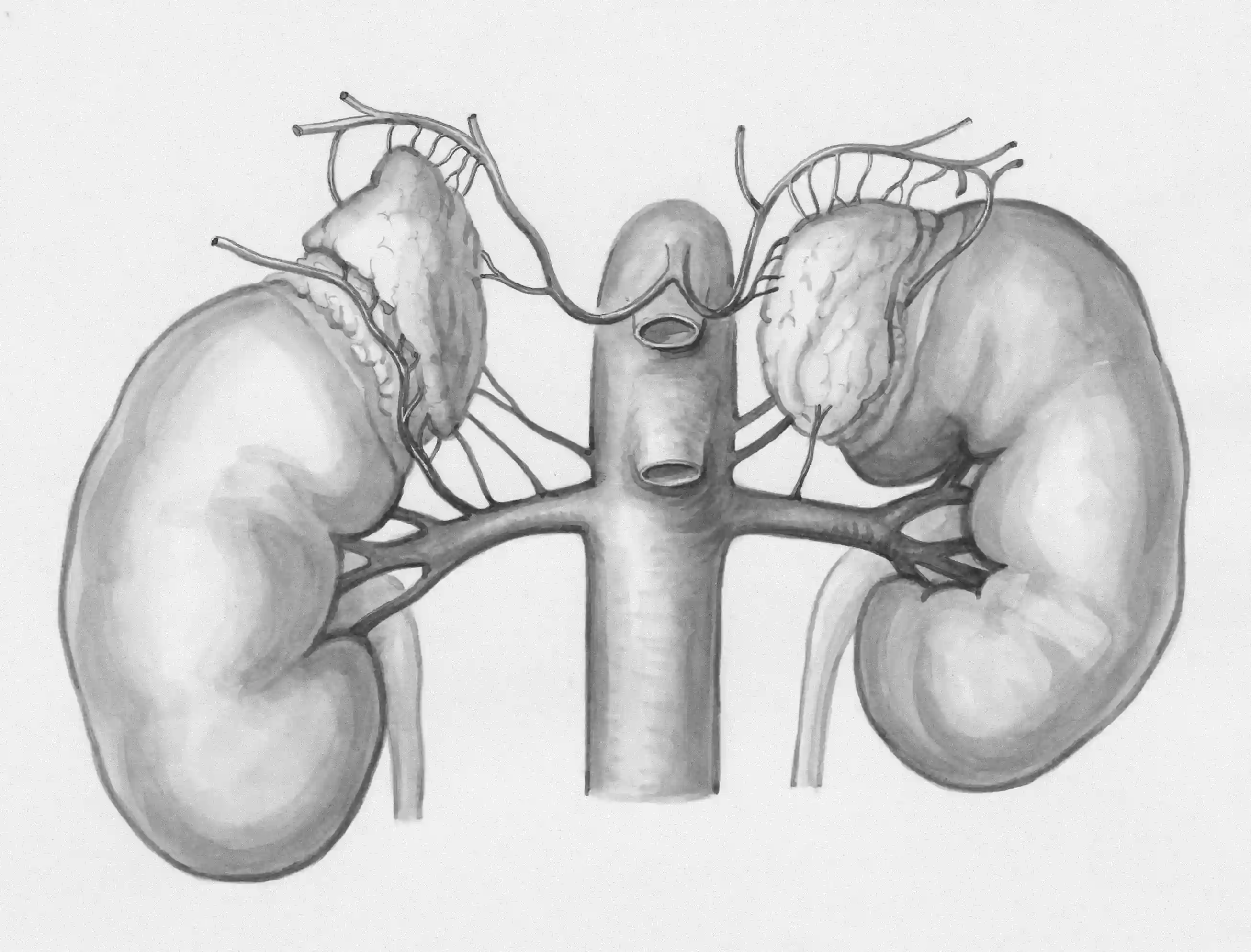
Kidney Disease - The Silent Condition Affecting Black Patients at Three Times the Rate
Chronic kidney disease affects Black adults at three times the rate of white adults, yet 90% of people with early CKD have no symptoms. Here is what you need to know - and the test your GP should be running.
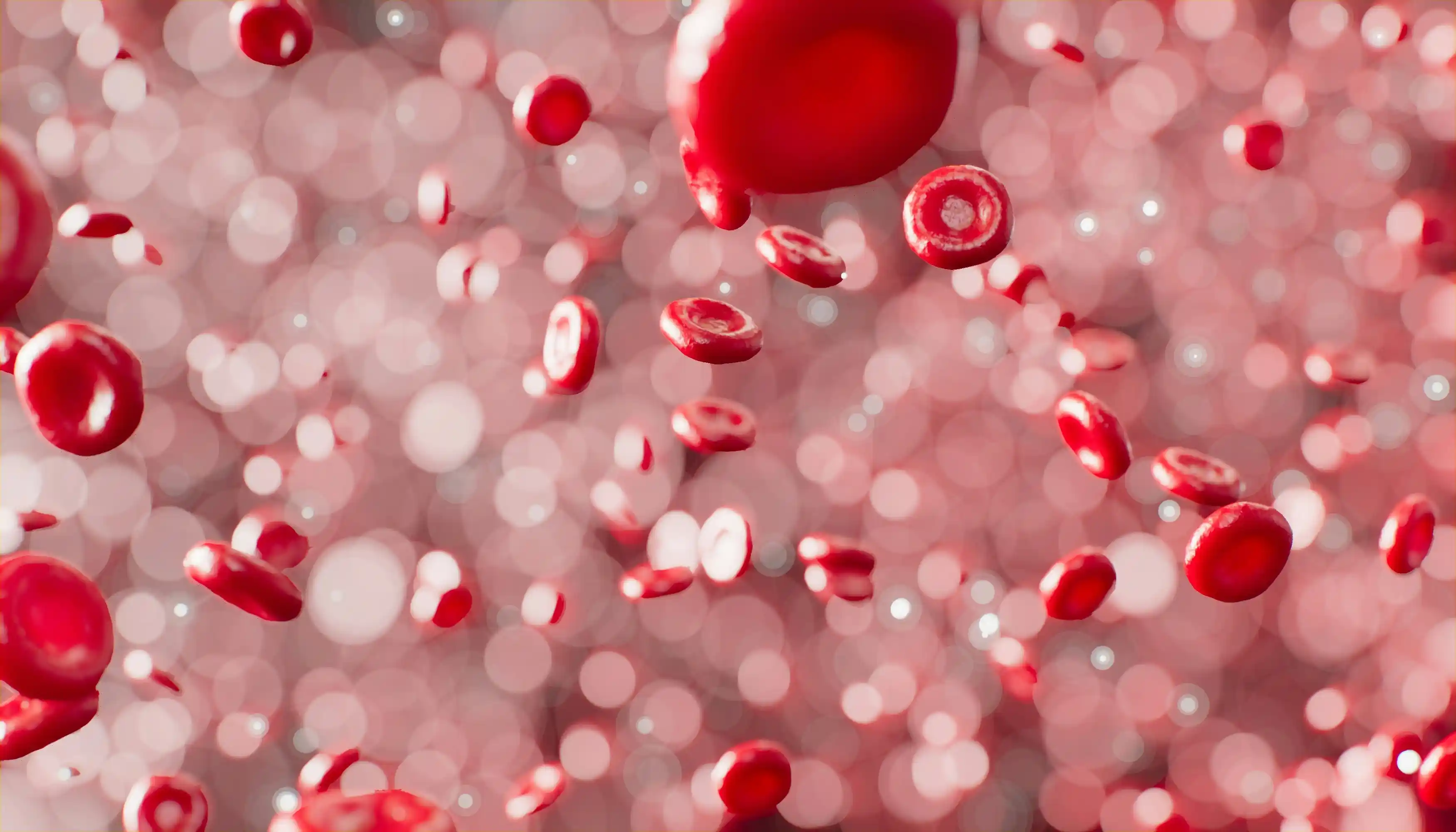
Sickle Cell Disease - What It Is, How It Is Managed, and Why It Matters to African Families
Sickle cell disease is the most common serious genetic condition in the UK, affecting predominantly people of African and Caribbean heritage. Here is the complete guide.
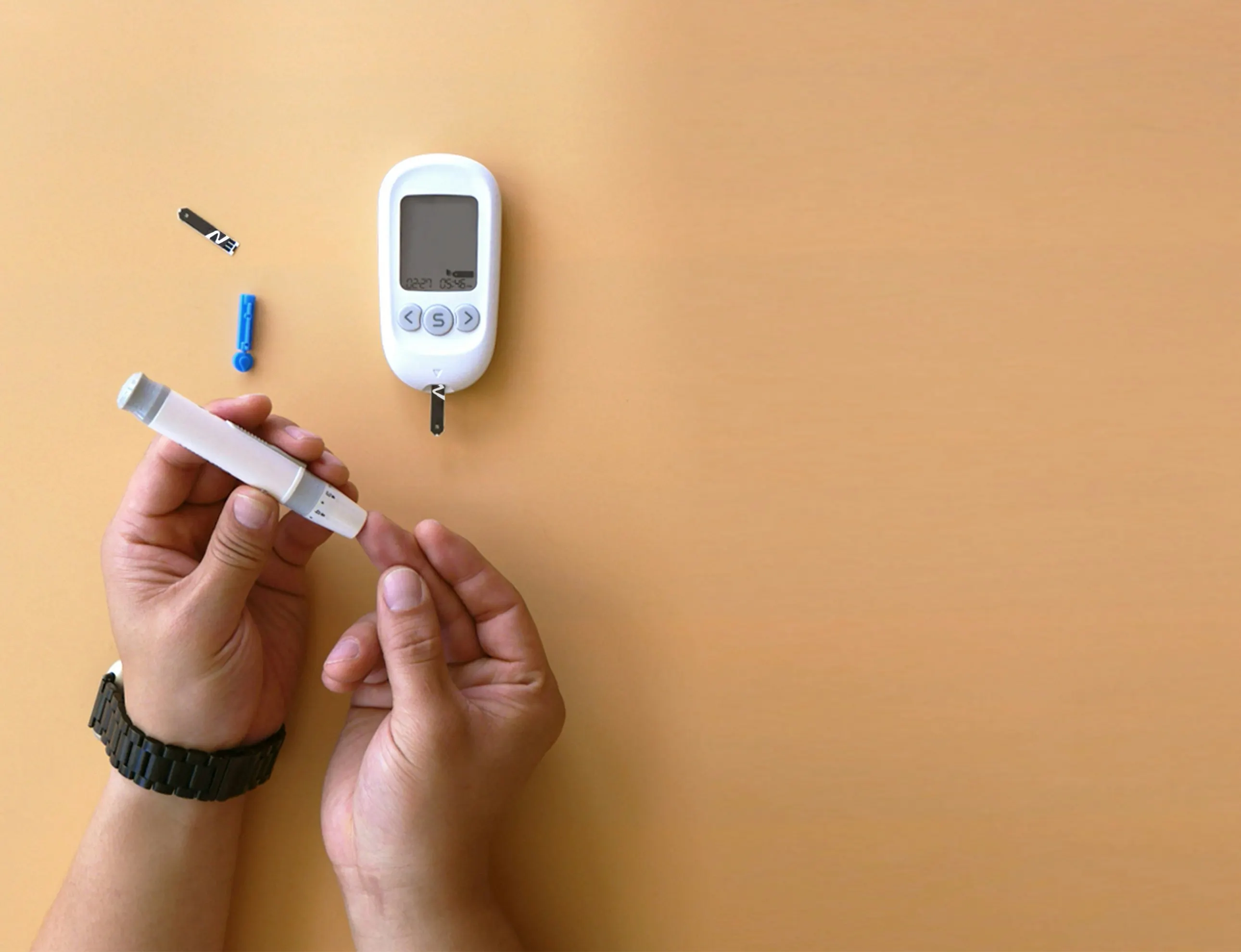
Type 2 Diabetes in African Communities - The Facts, the Risks, and What You Can Actually Control
People of African origin are 2-4 times more likely to develop type 2 diabetes than white Europeans. But the condition is far more manageable than most people think. Here is the honest guide.

High Blood Pressure in African and Black Patients - Why It's Different and What to Do About It
Black and African patients develop hypertension earlier, more severely, and with different responses to medication than other groups. Here is what the evidence says - and what your doctor may not have had time to explain.