Four and a half hours. That is the window.
From the moment a stroke begins to the point at which thrombolytic (clot-dissolving) treatment can no longer be safely administered: four and a half hours. In practice, the best outcomes are achieved in those treated within 60-90 minutes. Beyond that window, the treatment that can prevent permanent brain damage or death becomes unavailable.
The difference between a stroke that leaves minimal lasting damage and one that takes language, movement, and independence is often not the severity of the stroke itself. It is how quickly someone recognised it and called 999.
I have sat with families after strokes. I have seen what a two-hour delay costs. I have also seen what acting in four minutes looks like - and Josephine, whose story is in this guide, is walking independently today because her husband did not wait to see if it would pass.
Black adults in the UK are approximately twice as likely to have a stroke as white adults. They are more likely to have that stroke in their 40s or 50s. They are more likely to arrive at hospital later after symptom onset.
That last statistic is the one we can change.
What a stroke is - and why time is brain
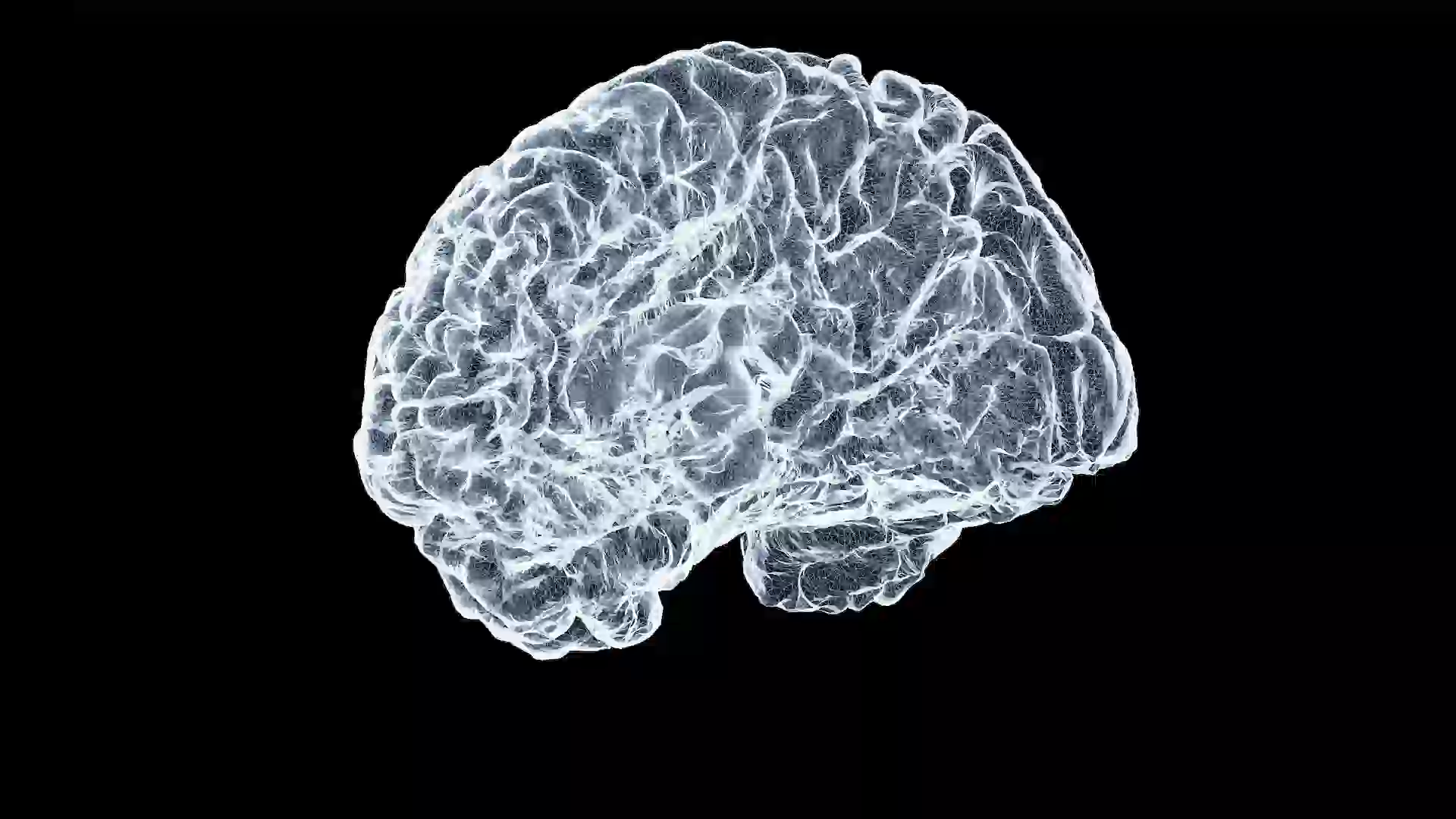
A stroke occurs when blood supply to part of the brain is interrupted, causing brain cells to die from oxygen deprivation. Brain cells die at the rate of approximately 1.9 million per minute during an ischaemic stroke. This is the origin of the phrase "time is brain" - every minute of delay means more irreversible brain tissue lost.
Ischaemic stroke (approximately 85% of strokes): Caused by a blood clot blocking a cerebral artery. The two main mechanisms: thrombotic (a clot forming on an atherosclerotic plaque within a cerebral artery) and embolic (a clot forming elsewhere - most commonly in the heart in atrial fibrillation, or in a carotid artery - that breaks off and travels to the brain).
Haemorrhagic stroke (approximately 15% of strokes): Caused by a blood vessel bursting and bleeding into or around the brain. Intracerebral haemorrhage (bleeding into the brain tissue) is the most common type. Subarachnoid haemorrhage (bleeding into the space around the brain from a ruptured aneurysm) is less common but often presents as a thunderclap headache and is a separate emergency. Haemorrhagic stroke is relatively more common in Black patients than ischaemic stroke - a clinically important difference as treatment differs.
TIA (Transient Ischaemic Attack) - the warning stroke
A TIA causes identical symptoms to a full stroke but resolves completely within 24 hours (usually within 60 minutes) because the clot dissolves or moves before permanent damage occurs. This is not reassuring news. TIA is a medical emergency.
The risk of a full stroke after TIA is highest in the first 48 hours - approximately 3-10% in the first two days, and 10-15% within 90 days without treatment. TIA should be treated as a warning that a potentially devastating stroke may be imminent.
Call 999 even if symptoms have completely resolved. Do not wait for a GP appointment. Do not "wait and see." The TIA clinic is for people who have already received emergency assessment and been cleared for outpatient follow-up within 24 hours.
Why Black adults face higher stroke risk
Hypertension: The single most important modifiable risk factor for stroke, accounting for approximately 50% of strokes. Given the significantly higher rates and earlier onset of hypertension in Black adults, and the documented pattern of hypertension being undertreated in Black patients on ACE inhibitors rather than more effective calcium channel blockers, the link to stroke risk is direct.
Diabetes: Doubles the risk of ischaemic stroke. Higher rates in Black communities compound the risk.
Sickle cell disease: Vascular occlusion from sickle cells can cause stroke, particularly in children. Regular transcranial Doppler screening and prophylactic blood transfusion reduce stroke risk in high-risk children with HbSS.
Atrial fibrillation (AF): A heart rhythm abnormality causing clots to form in the heart that can embolise to the brain, causing major stroke. Detection and anticoagulation are critical. AF is often diagnosed incidentally - at any pulse check, an irregular rhythm warrants an ECG.
Less immediately modifiable: Chronic psychosocial stress (documented physiological effects on blood pressure and cardiovascular risk), housing and food insecurity, occupational physical demands.
Case study: Josephine's four-minute window
Josephine, 61, was watching television with her husband on a Tuesday evening when he noticed her face drooping on the left side. She tried to speak - her words came out slurred and wrong. Her left arm was weak.
Her husband had seen the FAST campaign. He called 999 immediately, not waiting to see if she would recover. The ambulance arrived in 8 minutes.
Josephine was at the stroke unit within 35 minutes of symptom onset. CT scan confirmed a large right middle cerebral artery ischaemic stroke. She received IV thrombolysis at 52 minutes. Repeat imaging showed the clot had not fully cleared. She underwent mechanical thrombectomy - a catheter passed up through the femoral artery to physically remove the clot from the cerebral artery. The clot was successfully removed.
She required three weeks of inpatient rehabilitation. She has residual mild weakness in her left hand. She lives independently. She drives. She returned to her voluntary work at 6 months.
"If my husband had waited to see if it would pass," she told me at her follow-up, "I would not be here in this condition. I might not be here at all."
She is right. Waiting is not a safe choice with stroke.
After stroke - secondary prevention
After ischaemic stroke: antiplatelet therapy (aspirin plus clopidogrel initially, then long-term clopidogrel or aspirin), high-intensity statin, and aggressive blood pressure management.
After AF-related stroke: anticoagulation (a direct oral anticoagulant - apixaban, rivaroxaban, edoxaban, or dabigatran) is essential and significantly reduces the risk of recurrence. Aspirin is not adequate for AF-related stroke prevention.
After haemorrhagic stroke: treatment depends on cause and blood pressure control is paramount. Anticoagulation decisions are complex and require specialist input.
Rehabilitation: The brain's plasticity - its ability to reorganise itself after injury - is the foundation of stroke rehabilitation. Intensive, consistent, early rehabilitation produces better outcomes than low-intensity or delayed rehabilitation. You are entitled to stroke rehabilitation under the NHS. Push for this if it is not being provided.
Sources: Stroke Association UK - State of the Nation Stroke Statistics 2023; NICE Clinical Guideline NG128 - Stroke and TIA (2019, updated 2023); Saver JL, JAMA 2006 (1.9 million neurons per minute); Goyal M et al, NEJM 2015 (mechanical thrombectomy ESCAPE trial); Bejot Y et al, European Stroke Journal 2022 (ethnic disparities in stroke); NHS England - SSNAP data 2023.